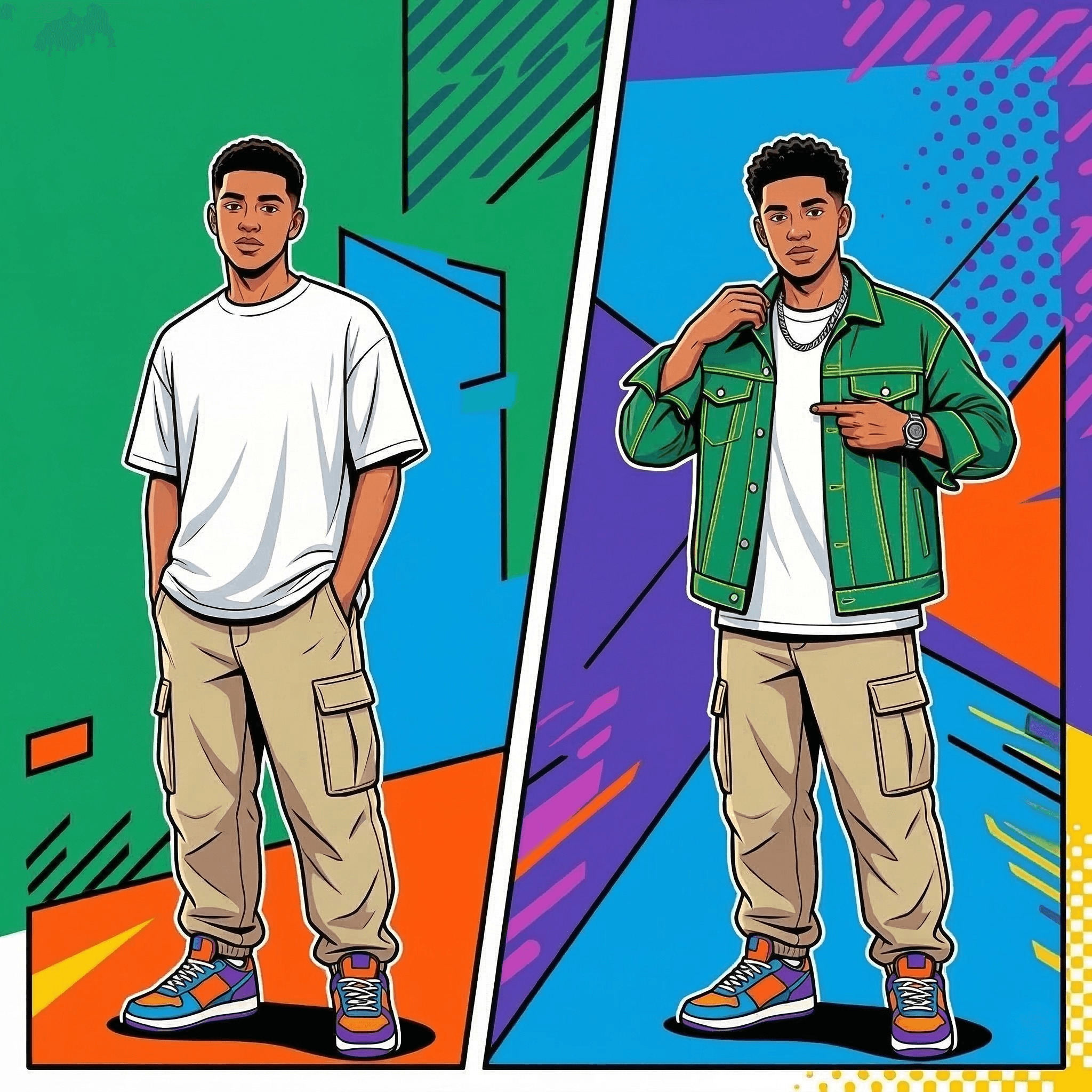
Style Guide
January 3, 2026
How to Layer Clothes Without Looking Bulky
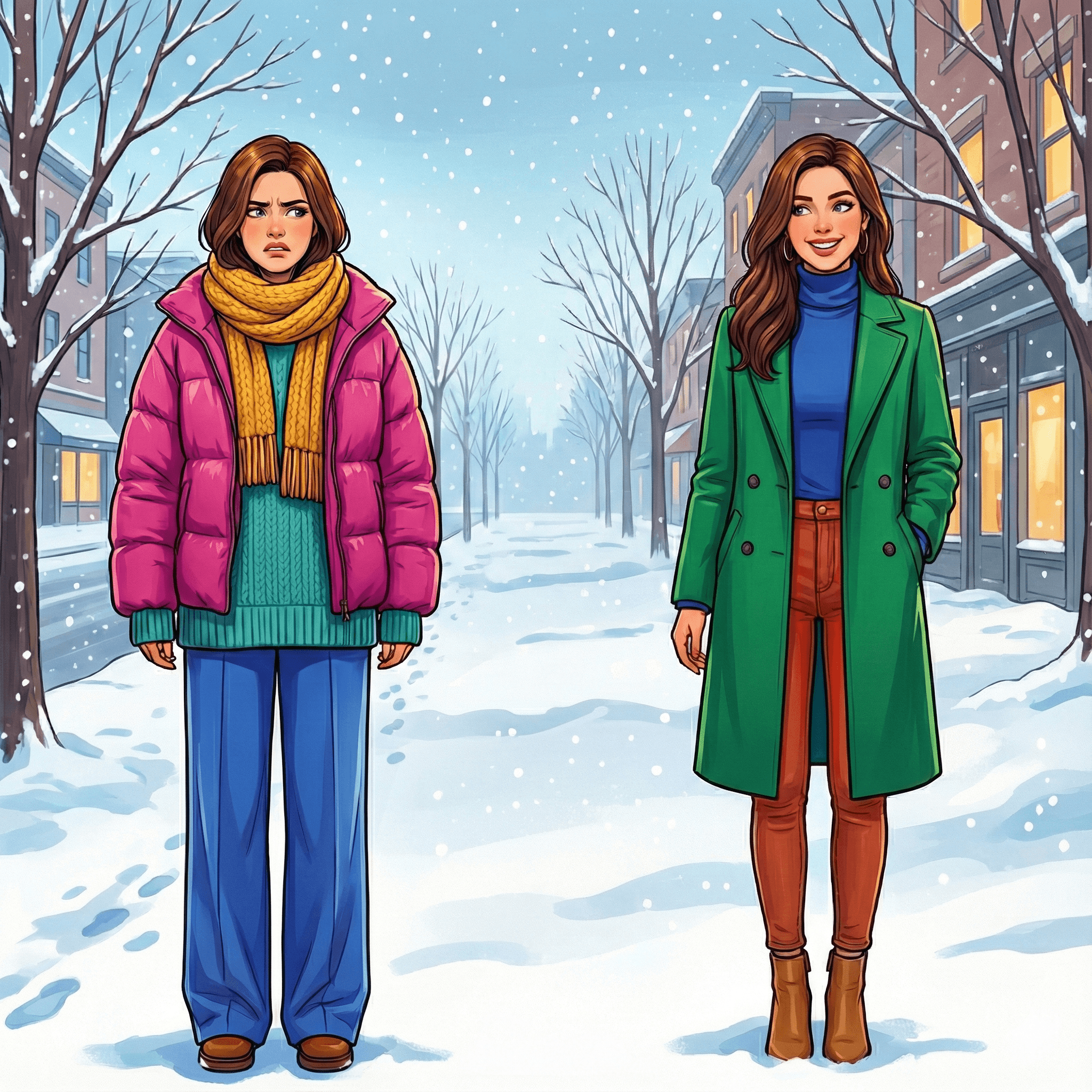
We have all been there. The temperature drops, and in an attempt to stay warm, you pile on a t-shirt, a sweater, a jacket, and a scarf. Suddenly, you catch a glimpse of yourself in the mirror and realize you look less like a chic street-style icon and more like a walking marshmallow.
Layering is one of the most sophisticated styling skills you can master. When done right, it adds depth, texture, and visual interest to your outfit. It allows you to navigate the freezing outdoors of New York or London and the overheated indoors of an office or café with ease. Even in warmer cities like Mumbai or Bengaluru, effective layering helps you tackle aggressive air conditioning or transitional weather.
But the fear of adding unnecessary volume holds many of us back. The good news? You don't have to sacrifice your silhouette for warmth. Here is your expert guide to layering clothes without looking bulky, with a little help from Monova, your AI fashion companion.
The Golden Rule: Thin to Thick
The most crucial rule of layering without bulk is the order of operations. Always layer from the thinnest fabric to the thickest.
Base Layer: Start with lightweight, form-fitting pieces. Think silk camisoles, thermal skins, or fitted cotton tees. These should hug your body to trap heat without adding width.
Middle Layer: This is where you add insulation. A merino wool sweater, a flannel shirt, or a light cardigan works perfectly here.
Outer Layer: The final piece should be the heaviest and loosest, like a trench coat, a leather jacket, or a wool overcoat.
By graduating the thickness, you ensure that the fabrics lay flat against each other rather than bunching up comfortably.
Fabric Matters: Choose Smart Materials
Not all warmth requires weight. Modern fabric technology allows us to stay incredibly warm with razor-thin materials.
Thermals are Secret Weapons: Uniqlo’s HeatTech or similar thermal technologies are game-changers. They are often thinner than a standard t-shirt but provide the warmth of a heavy sweater.
Natural Fibers: Opt for Cashmere or Merino wool over chunky synthetic blends. A thin cashmere sweater is often warmer and more flattering than a thick, acrylic cable-knit.
Structured Cottons: For a crisp look that doesn't cling, high-quality cotton shirts provide a great middle layer that adds structure without the fluff.
Stylist Note: Avoid layering two distinct bulky textures (like a chunky knit over a thick hoodie) unless you are intentionally going for an oversized streetwear aesthetic.
Define Your Silhouette: Belts and Tucks
The primary reason layering looks "bulky" is that it hides your natural shape. To counteract this, you need to re-introduce structure.
The French Tuck: If you are wearing a sweater over a shirt, try a "French tuck" (tucking just the front of the sweater into your waistband). This reveals your waistline and elongates your legs.
Belt It Out: wearing a blazer or a cardigan over a dress? Cinch it at the waist with a belt. This pulls the fabric in and creates an hourglass shape, proving that there is indeed a body underneath those layers.
Open Outerwear: Leaving your jacket or coat unbuttoned creates a vertical line down the center of your body, which draws the eye up and down, making you look taller and leaner.
How Monova Helps You Layer Like a Pro
Layering requires visualization. Sometimes, it’s hard to imagine how that turtleneck will look under that slip dress until you actually put it on—which takes time and creates a mess in your bedroom.
This is where Monova.in changes the game.
1. Visualizing Combinations with AI
"Nova," your AI stylist, can look at your digital wardrobe and suggest layering combinations you might never have considered. It might suggest pairing that summer dress with a turtleneck underneath for a chic autumn look, effectively doubling your wardrobe's usage.
2. Weather-Smart Suggestions
Living in a city with unpredictable weather? Nova analyzes local forecasts to suggest the right amount of layers. If it’s 12°C outside, Nova knows you need a base layer and a trench. If it’s a humid but you work in a freezing office, Nova will suggest a breathable base with a light, removable blazer.
3 Fail-Proof Layering Formulas to Try Now
Stuck on where to start? Try these three "Nova-approved" formulas that work for almost anyone:
The "Smart Casual" Professional
Base: Fitted white turtleneck.
Middle: Crisp button-down shirt (leave top buttons open to show the turtleneck).
Outer: Structured Blazer.
Bottom: Tailored trousers.
Why it works: It’s professional, warm, and creates interesting visual contrast at the neckline.
The "Transitional" City Walker
Base: Slip dress or midi skirt.
Middle: Oversized knit sweater (belted or French tucked).
Outer: Leather moto jacket or Denim jacket.
Why it works: It mixes feminine and masculine textures while balancing a loose middle layer with a structured outer layer.
The "Athleisure" Chic
Base: Fitted thermal top.
Middle: Zip-up hoodie.
Outer: Long Camel Coat.
Bottom: Leggings or joggers.
Why it works: The long coat elevates the hoodie, making it look intentional and high-fashion rather than just "gym clothes."
Embrace Versatility
Layering isn't just about survival in the cold; it's about expression. It’s the art of taking five pieces of clothing and creating ten different looks. It allows you to wear your favorite pieces year-round and adds a level of sophistication to even the simplest outfits.
Don't let the fear of bulk stop you from experimenting. With the right fabrics, the right order, and a little help from AI, you can master the layers.
Ready to revolutionize your style?
Stop guessing and start styling. Try Monova today to let Nova help you mix, match, and layer your existing wardrobe into fresh, stylish outfits instantly.
Recent Post