Celebs Lookbook
January 7, 2026
The Unexpected Fashion Lesson Hidden in Stranger Things
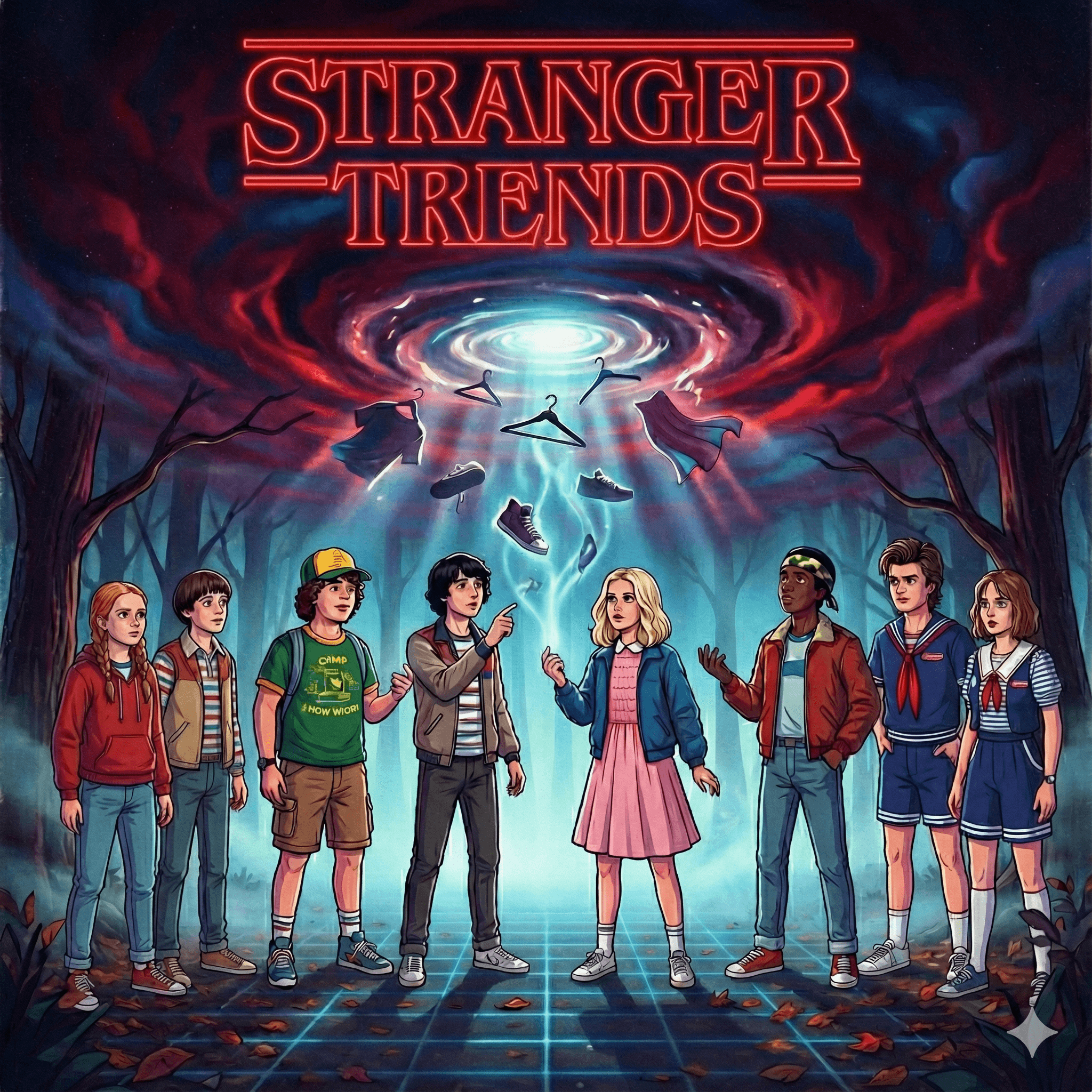
At first glance, Stranger Things doesn’t look like a fashion show. There are no dramatic costume reveals, no trend-heavy outfits, no obvious “style moments.”
And yet — years after its release — people are still referencing its looks, its vibe, and its aesthetic.
That’s not accidental. Hidden beneath the supernatural plot is a deeply relevant fashion philosophy that explains not just why the show’s style works — but why modern fashion is quietly shifting in the same direction.
This isn’t about copying 80s outfits. It’s about understanding why those outfits feel right.
1. The Show Never Tries to Look Fashionable — And That’s Why It Is
One of the most powerful things Stranger Things does is avoid trying to be stylish. No outfit screams “this was curated.” No look feels assembled for approval.
Instead, we see:
Repeated outfits
Relaxed fits
Slightly worn textures
Clothes that feel owned, not styled
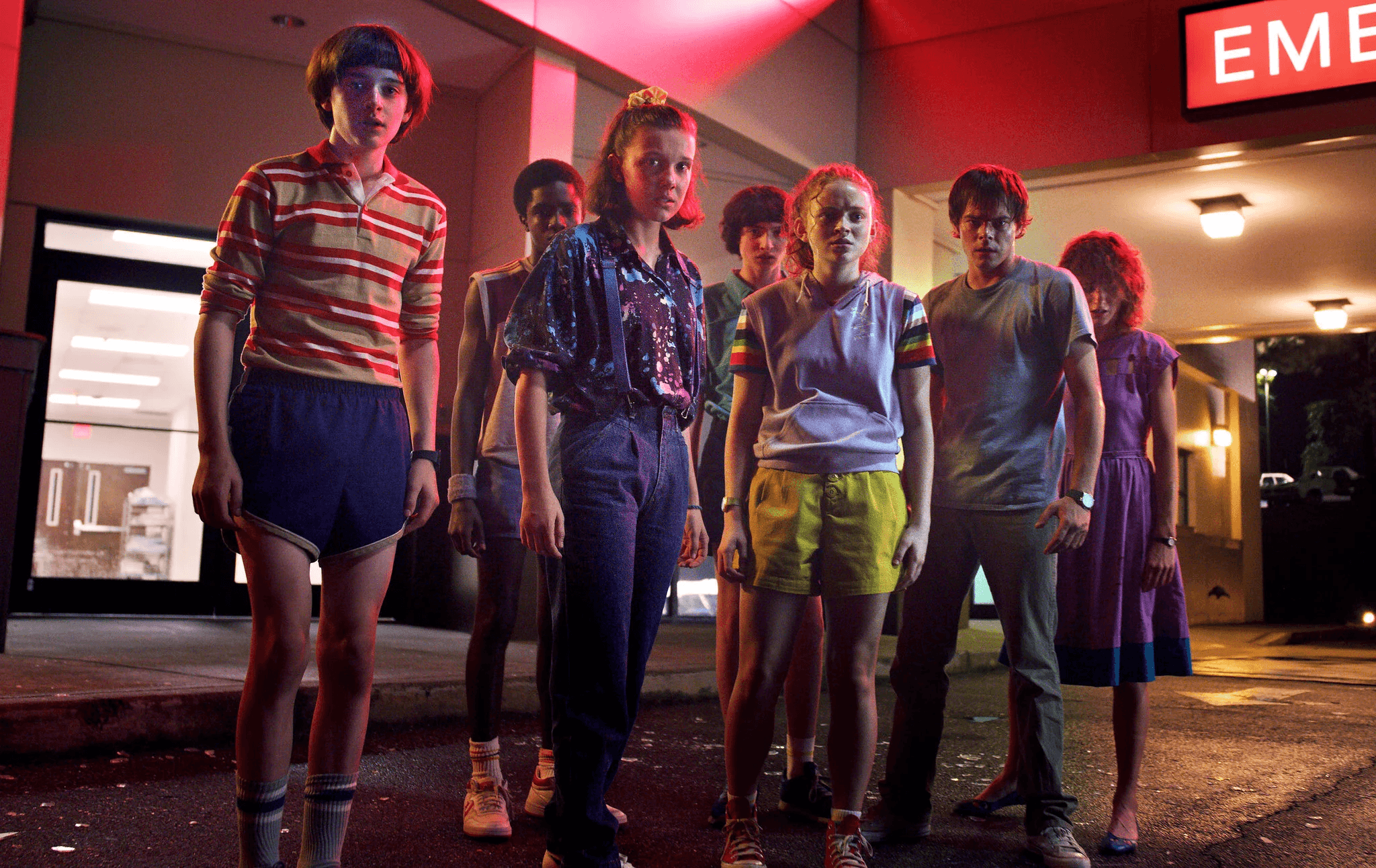
This immediately creates trust. Because in real life, the outfits we love most aren’t the ones we planned for weeks — they’re the ones we reach for instinctively.
The lesson: Authenticity ages better than trends. When fashion stops trying to impress, it starts to connect.
2. Clothes Are Treated as Extensions of Personality, Not Decoration
Every character in Stranger Things dresses according to who they are — not who they want to appear as. There’s no aspiration dressing. No performance.
Their clothes reflect:
Their comfort zones
Their confidence levels
Their emotional states
Their social positioning
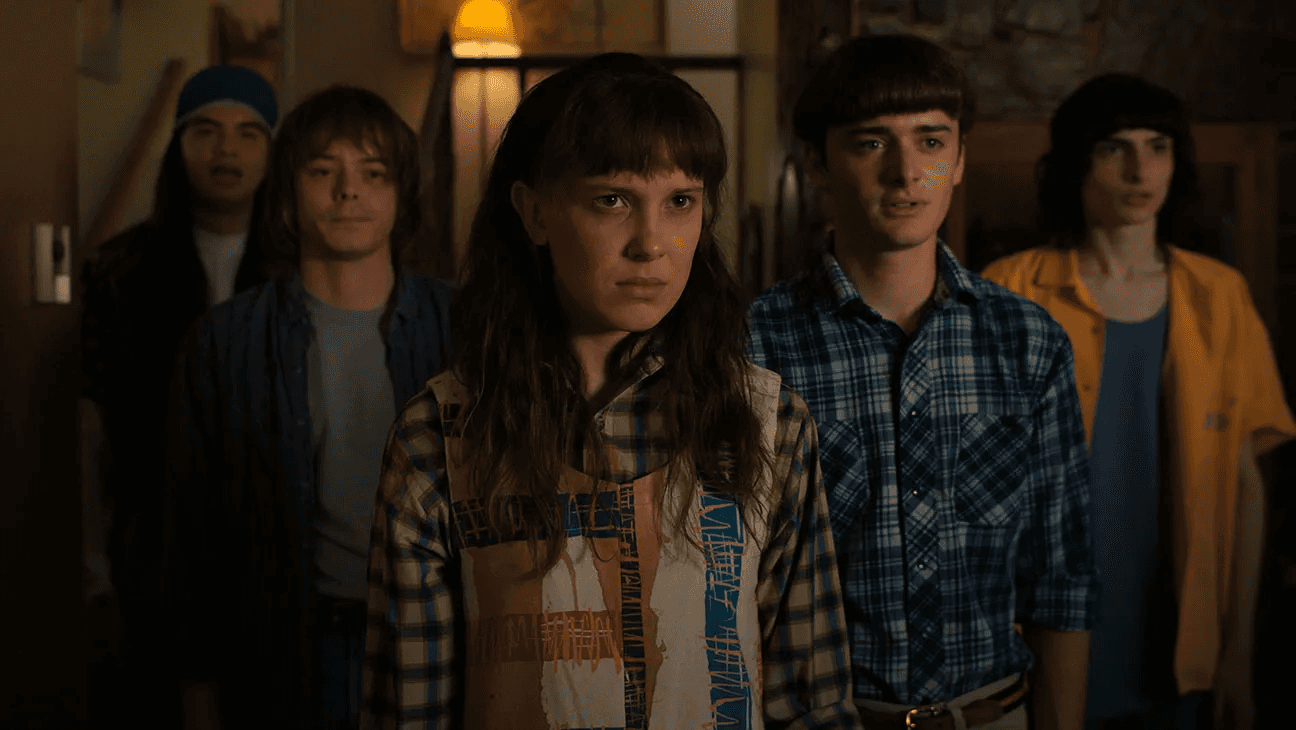
Some characters stick to familiar silhouettes. Some experiment slightly. Some never change at all. And that’s exactly how real people dress.
The lesson: Style isn’t about reinvention — it’s about consistency with room to evolve. The strongest personal styles aren’t loud. They’re recognizable.
3. Repetition Is Treated as Normal — Not a Fashion Failure
In today’s world, repeating outfits is often framed as a flaw.Stranger Things does the opposite.
Characters repeat clothes without explanation. No one “upgrades” their wardrobe every episode.
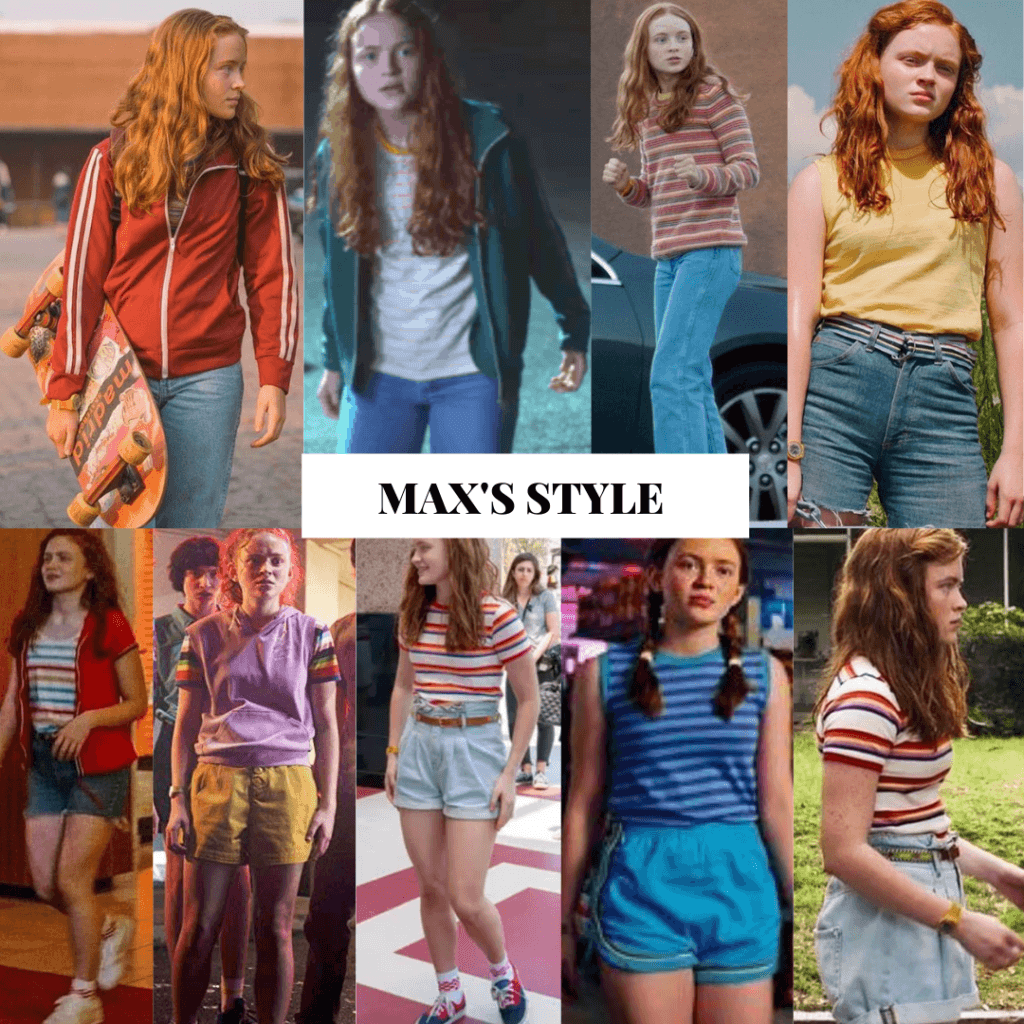
This creates something rare in fashion storytelling: believability. It also highlights a truth we’re slowly rediscovering:
The lesson: Repetition builds identity. When you wear similar silhouettes, colors, and fits over time, people remember you — not just your clothes. That’s why capsule wardrobes, uniform dressing, and outfit formulas are rising again.
4. Comfort Isn’t a Trend — It’s a Psychological Response
The comfort-driven fashion in Stranger Things isn’t about aesthetics. It’s about emotional safety.
Soft fabrics. Relaxed fits. Familiar layers.
These choices mirror how humans dress during uncertainty. And that’s exactly what we’re seeing in real life today.
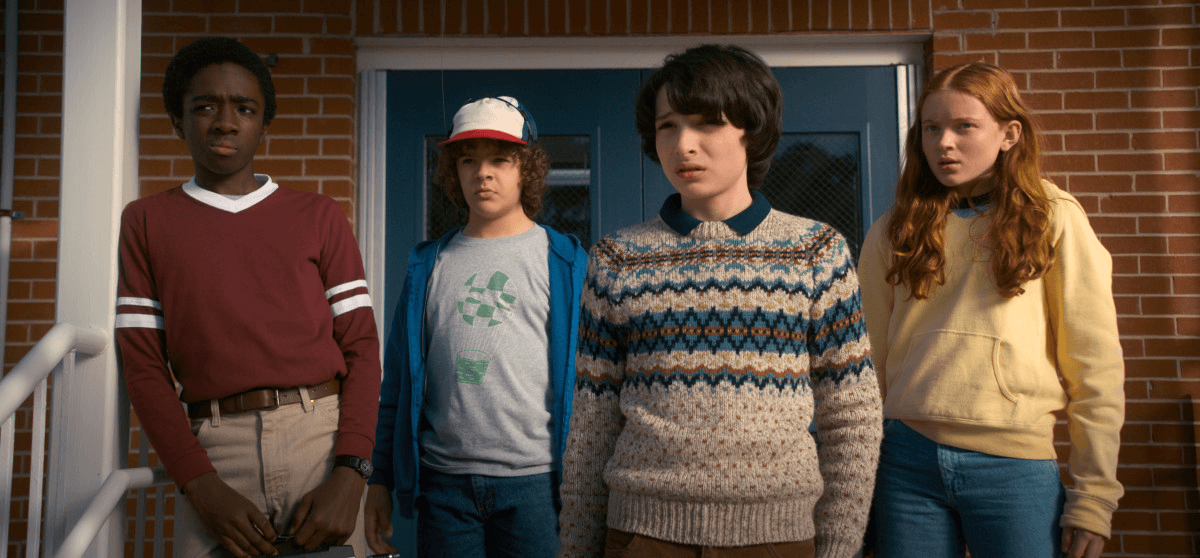
The lesson: When life feels unpredictable, people dress to feel grounded. Fashion becomes less about expression and more about regulation — regulating stress, confidence, and energy. That’s not laziness. That’s emotional intelligence.
5. Nostalgia Works Because It Reduces Decision Fatigue
The 80s influence in Stranger Things isn’t just visual — it’s cognitive.
The silhouettes are simple. The combinations are obvious. The rules are clear. This reduces mental effort.
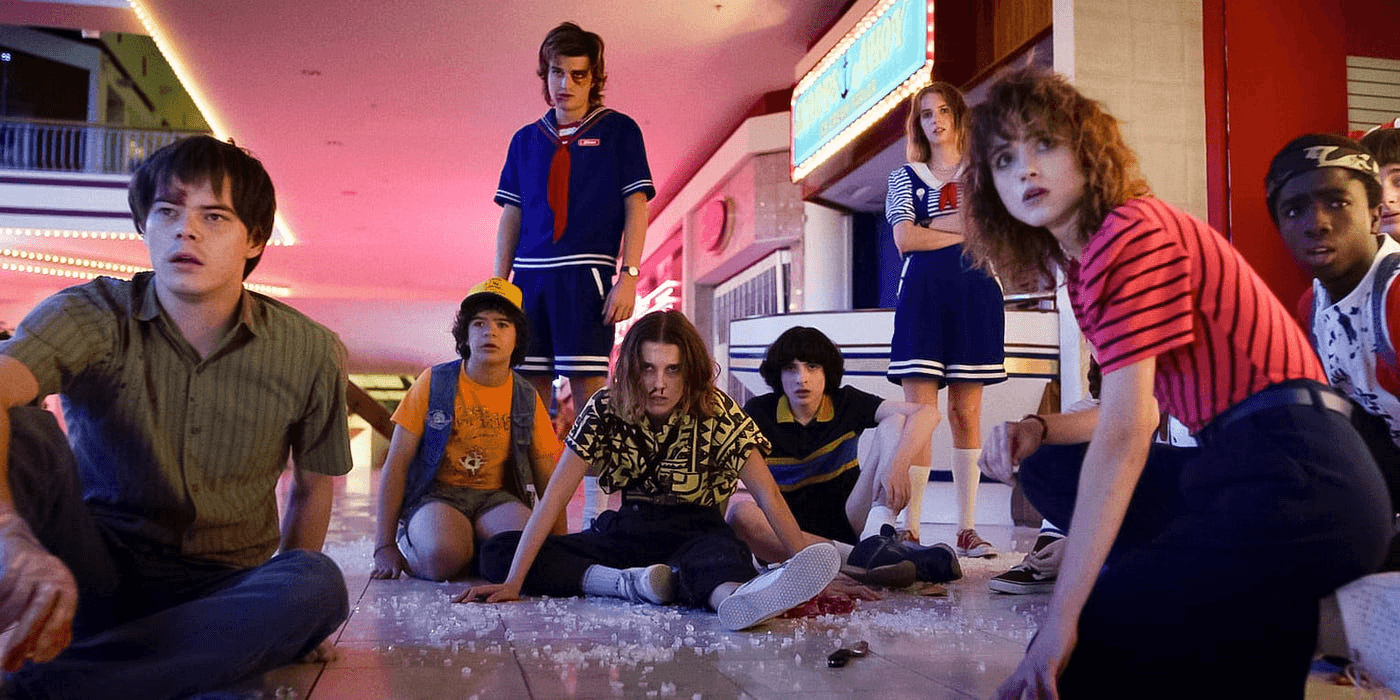
In a world where people make hundreds of micro-decisions daily, nostalgia-driven fashion feels restful.
The lesson: Simpler style systems feel luxurious in complex lives. That’s why minimalism and retro-inspired dressing coexist — both remove friction.
6. Style Evolves With the Character, Not the Calendar
Fashion in the show doesn’t change because “time passed.” It changes because people changed.
Outfits evolve subtly as characters:
Gain confidence
Lose innocence
Take on responsibility
Feel more at home in themselves
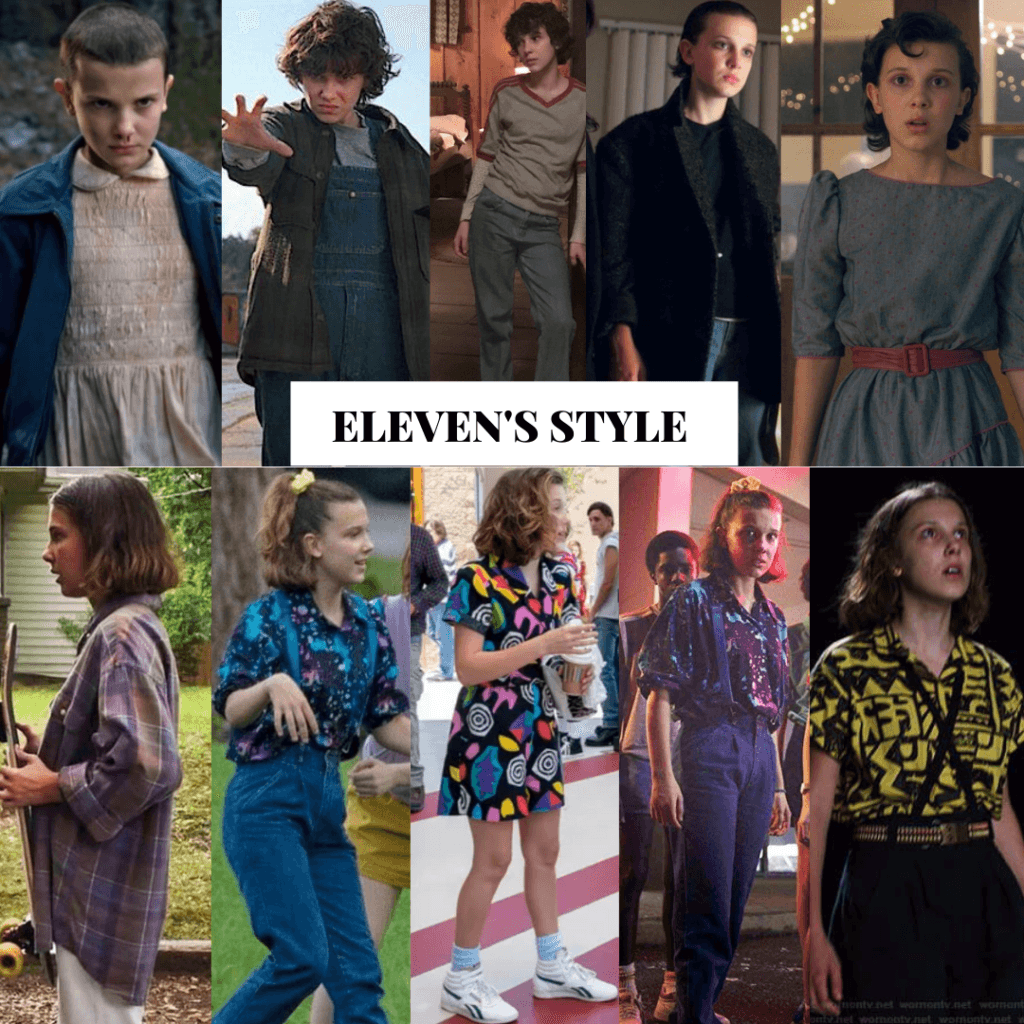
This mirrors real life far more accurately than trend cycles.
The lesson: The most meaningful wardrobe updates happen after life shifts — not fashion seasons. New job. New city. New phase. That’s when style truly changes.
7. There’s No “Best Dressed” — And That’s the Point
Unlike most pop culture narratives, Stranger Things never crowns a fashion hero. No single character dominates style conversations within the show.
Why? Because the show understands something fashion media often forgets.
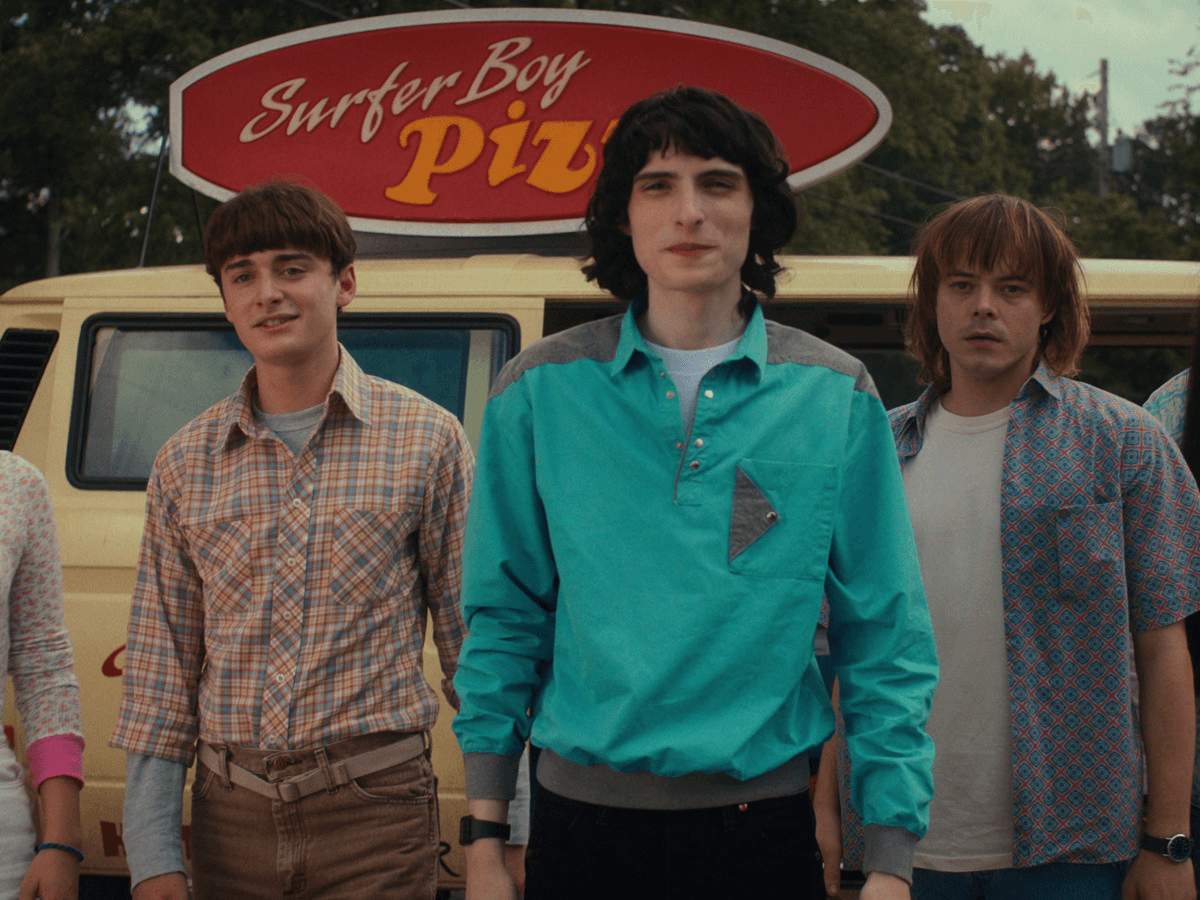
The lesson: Good style is contextual, not competitive. Different personalities need different visual languages. Comparing them misses the point.
8. Fashion Works Best When It Disappears Into the Story
Perhaps the most important lesson of all: The clothes in Stranger Things never distract from the story. They support it.
That’s the gold standard of styling. And in real life, the best outfits do the same — they don’t pull focus from you, your voice, or your presence.
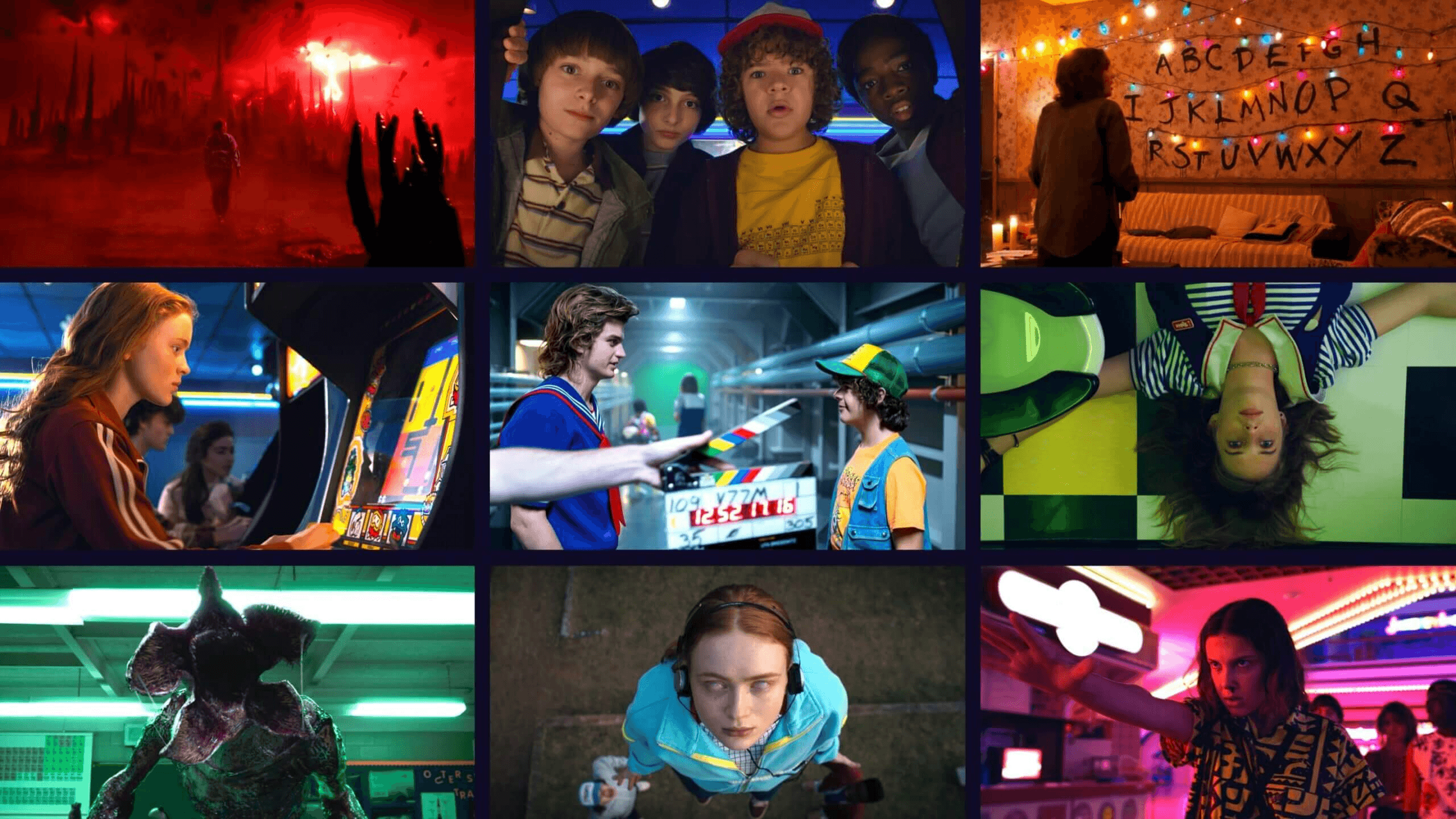
The lesson: When your outfit feels right, you stop thinking about it. That’s confidence.
What This Means for Modern Dressing
Stranger Things isn’t teaching us to dress retro. It’s teaching us to:
Dress with less performance
Dress with more intention
Dress in alignment with our emotional state
Dress for life, not likes
The future of fashion isn’t louder. It’s clearer. Clear about who you are. Clear about what you need. Clear about what feels right.
Final Takeaway
The unexpected fashion lesson hidden in Stranger Things isn’t about denim or decades. It’s this:
The most powerful style doesn’t change you — it supports you.
And once you understand that, getting dressed stops being stressful… and starts feeling instinctive. Exactly how it should. ✨
Where Monova Fits In
If Stranger Things taught us that style should be supportive, Monova is here to make it practical.
We built our AI stylist, Nova, on this exact philosophy. Nova doesn’t care about the "trends of the week." It cares about context.
It helps you repeat your favorite outfits in new ways.
It reduces decision fatigue by suggesting looks instantly.
It focuses on what you already own, not just what you should buy.
Because you shouldn't have to fight your wardrobe to find yourself.
Ready to dress with intention? Try Monova Today and let Nova handle the decisions, so you can focus on the story.
Recent Post